Case Study 
Three Years in the Field: Demonstrating Long-Term LiDAR Reliability in Reykjavík  


 How a SIMPL deployment in Iceland validated traffic detection accuracy and operational stability in demanding Nordic conditions.

When transportation agencies evaluate a new detection technology, one of the most important questions is: will it continue to perform reliably over time?

In Reykjavík, Iceland, that question now has a documented answer.

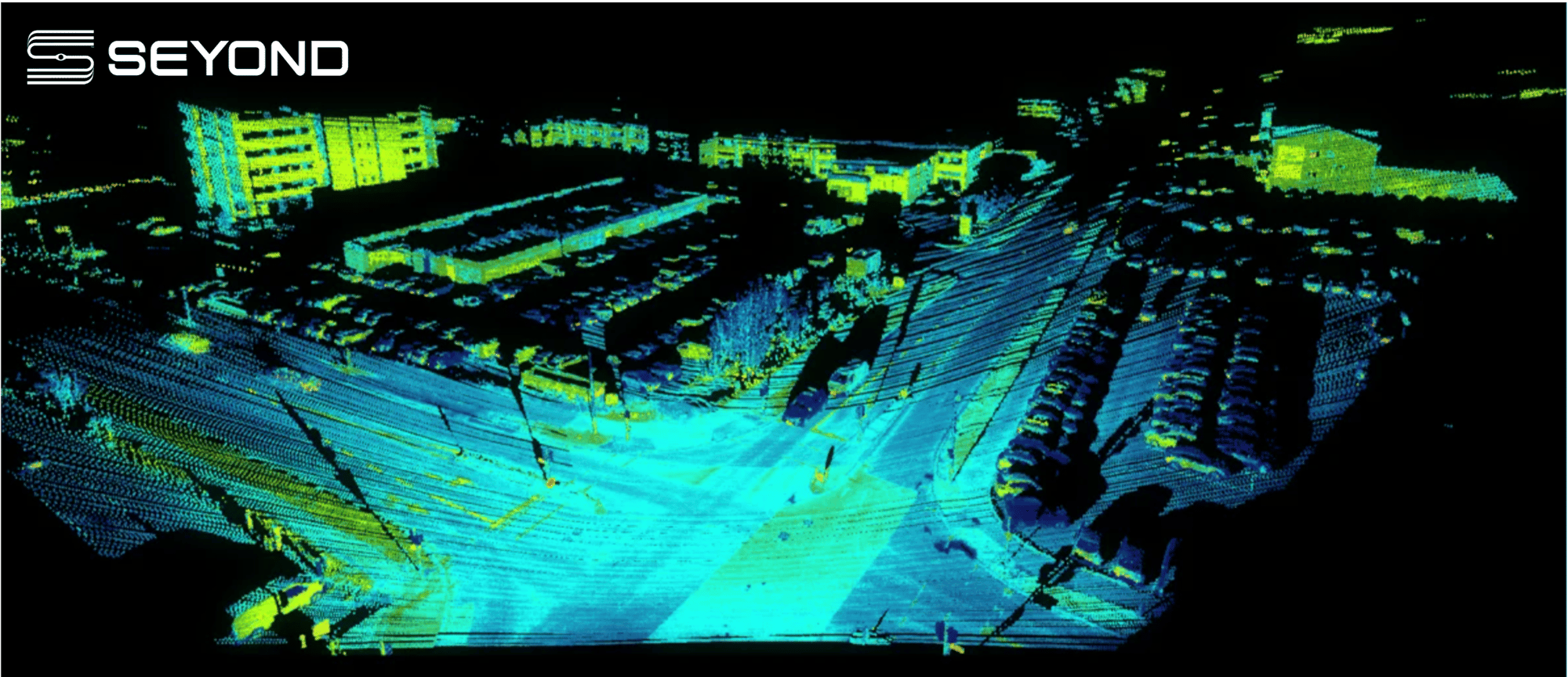
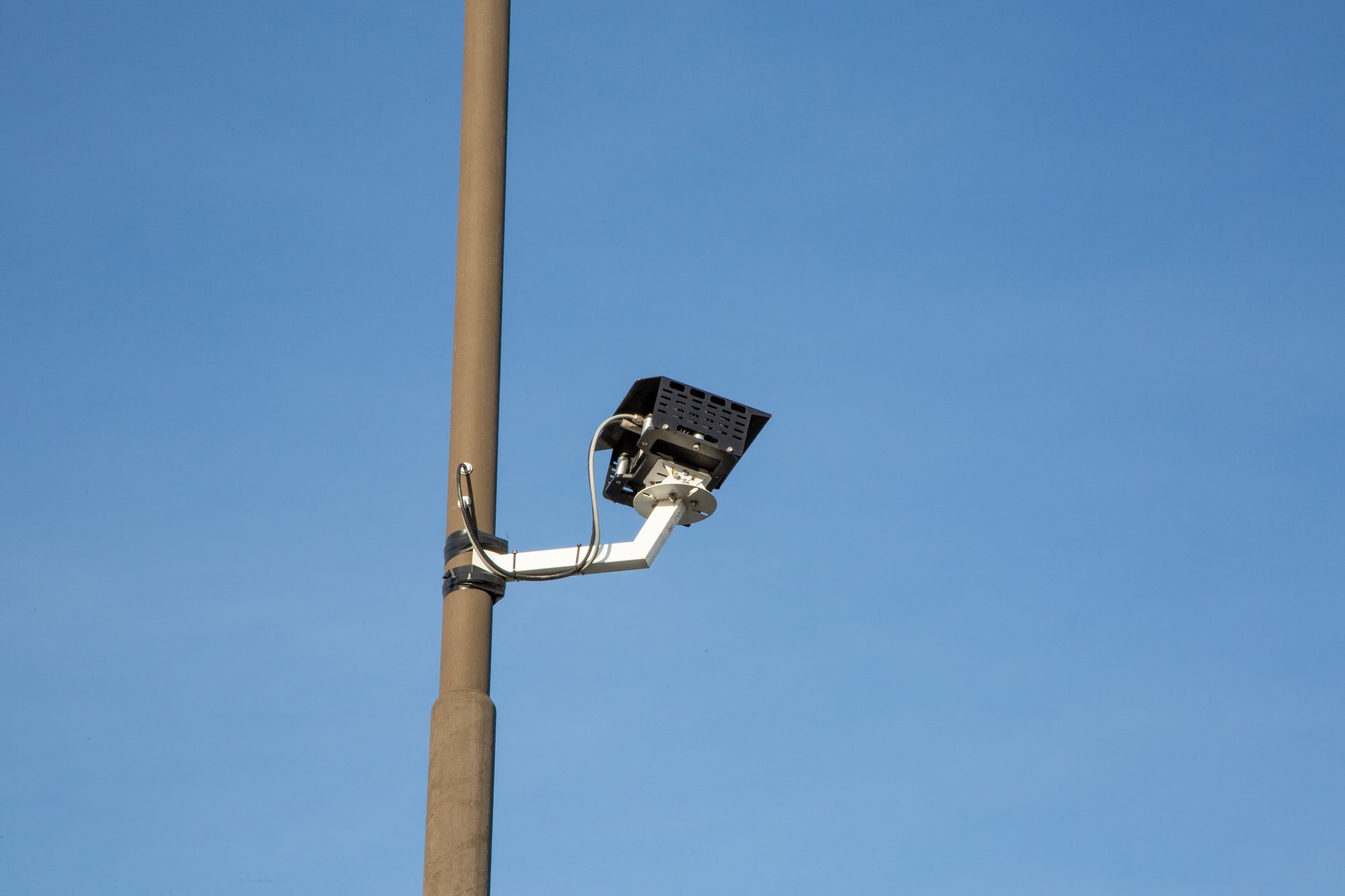
In Reykjavík, Iceland, Seyond's SIMPL-Intersection has been deployed at a signalized intersection since 2023, operating through multiple Nordic winters. The deployment provides a real-world reference for evaluating LiDAR-based traffic detection in an environment where snow, freezing conditions, wind, and pavement deterioration challenge traditional infrastructure.


_33A0976
_33A0978


The Challenge: Aging Loop Infrastructure in a Demanding Climate

Like many cities, Reykjavík has historically relied on inductive loops for vehicle detection. Loops served the city for decades, but maintaining pavement-embedded infrastructure in Iceland's freeze-thaw environment grew increasingly difficult. Loop replacement is expensive, disruptive, and often restricted to a short construction season. Plus, a failed loop can leave an intersection running on fixed timing plans for months while repairs wait.

"Reykjavík started to realize that loops in the asphalt were not a really good solution and wanted to explore other detection solutions" recalls Ómar Gíslason of Reykjafell, Seyond's local partner in Iceland.

The city needed a detection technology that could withstand Iceland's environmental conditions while supporting its longer-term goal of more responsive, adaptive signal operations.

Why LiDAR?

For Reykjafell and the City of Reykjavík, weather performance was the deciding criterion. Iceland’s winter conditions and low lighting present challenges for many legacy detection technologies. Demonstrating that LiDAR could maintain detection through these conditions was, according to Gíslason, a key factor in winning support for the pilot.

SIMPL offered several practical advantages:

  • Non-intrusive installation - no road cutting or lane closures required
  • Full intersection coverage from just two LiDAR sensors
  • Consistent performance day and night, independent of lighting and weather conditions
  • Simplified maintenance compared to pavement-embedded loops
  • Flexibility to support adaptive signal control as the city's needs evolved
Slim image of intersection with logo

Accuracy Validated in Live Conditions

In February 2025, Seyond evaluated SIMPL-Intersection's detection accuracy at the Reykjavík intersection under live traffic conditions.

Results obtained during the first test period showed very small deviation for the SIMPL-Intersection’s virtual loops (between -5% and 2%, with a majority of 0%) while the inductive loop showed deviation from -20% to 147%.

The evaluation also revealed a significant issue with the existing infrastructure: one inductive loop recorded just two vehicles over a 72-hour period, indicating that it was effectively no longer detecting traffic.

This finding illustrates an important challenge for traffic engineers. Detection infrastructure must not only perform accurately when functioning correctly; it must also provide dependable data over time. A failed detector can compromise the traffic information available to operators without necessarily making the failure immediately obvious.

View the full Reykjavík accuracy report


The Real Test: Three Years of Continuous Operation

Pilot projects demonstrate what is possible. Long-term deployments demonstrate what is practical.

Like most early deployments, Reykjavík had a commissioning period: initial work focused on optimizing network performance and upgrading edge processing hardware. Once those early adjustments were complete, the system settled into routine operation. No significant issues have been reported in recent years and the deployment continues to operate as intended.

For transportation agencies, this matters. Detection technology is part of critical infrastructure, and its value depends on more than accuracy at the time of installation. Long-term reliability, maintainability, and consistent data availability are essential considerations when assessing the total cost and operational implications of a technology choice.

The project has since become a reference point for LiDAR adoption across the Nordic region, particularly among agencies looking for alternatives to loop-based detection in climates where pavement infrastructure is hardest to maintain.

Ready to see how SIMPL performs in your conditions? Book a demo or view our accuracy reports to review the data.

 

Reliable system

From direct integrations with card networks and banks to checkout flows in the browser, we operate on and optimize at every level of the financial stack.

50+ integrations

Lorem ipsum dolor sit amet, consectetur adipiscing elit, sed do eiusmod tempor incididunt ut labore et.

Intelligent optimizations

Ut enim ad minim veniam, quis nostrud exercitation ullamco laboris nisi ut aliquip ex ea commodo consequat.

Intuitive design

Duis aute irure dolor in reprehenderit in voluptate velit esse cillum dolore eu fugiat nulla pariatur.

TECH COMPARISON ARTICLE

Inductive Loops vs LiDAR Technology for Traffic Detection and Actuation

Read our article that compares inductive loops with LiDAR technology.